Anti-money laundering (AML) compliance is an essential responsibility for businesses operating in regulated industries. As regulatory expectations become increasingly complex, organisations need effective processes to identify customers, assess risks, conduct due diligence and maintain appropriate records. However, building and maintaining a complete AML compliance function internally can require significant time, specialist expertise and resources. This is where outsourced AML compliance services can provide valuable support.
Outsourcing selected or complete AML compliance responsibilities allows businesses to access specialist knowledge while maintaining a structured and risk-based compliance framework. At Integra Corporate, AML/CFT support includes compliance advisory, customer due diligence, risk assessments, screening, policy development, independent reviews and outsourced compliance support.
What Are Outsourced AML Compliance Services?
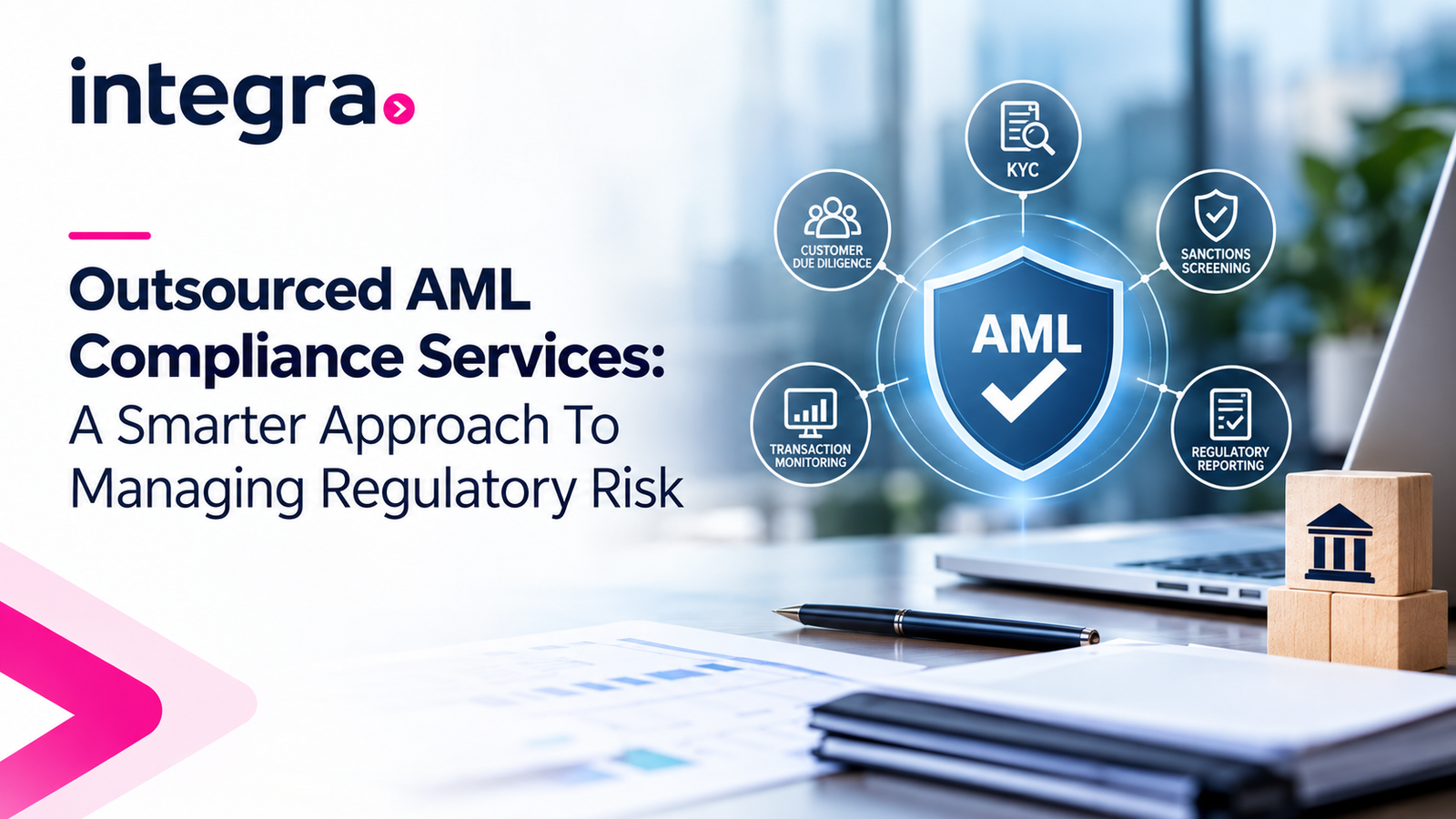
Outsourced AML compliance services involve engaging an experienced external compliance provider to support some or all of an organisation’s anti-money laundering responsibilities. Depending on the organisation’s needs, outsourced support may include:
- AML/CFT policy and procedure development
- Customer Due Diligence (CDD)
- Know Your Customer (KYC) processes
- Enhanced Due Diligence (EDD)
- Customer and beneficial ownership screening
- PEP and sanctions screening
- Business Risk Assessments
- AML compliance reviews
- Compliance monitoring
- Regulatory guidance
- AML record-keeping support
- Compliance Officer support
- Ongoing AML advisory services
The exact responsibilities depend on the organisation, its regulatory obligations, risk profile and operating model. Outsourcing does not remove a business’s regulatory responsibilities, but it can provide additional expertise and operational capacity to help meet them.
Why Businesses Choose to Outsource AML Compliance
AML compliance is not simply a one-time exercise. Businesses need to establish appropriate controls and continue reviewing their effectiveness as their customers, products, services, jurisdictions and regulatory environment change. For smaller organisations, maintaining a dedicated internal AML team may not always be practical. Even larger organisations may require additional specialist support during periods of growth, regulatory change or increased customer onboarding. Outsourced AML compliance services can offer several practical benefits.
1. Access to Specialist Compliance Expertise
AML regulations and expectations can be complex. External compliance professionals can provide specialist knowledge and practical guidance without requiring a business to build an entire compliance function internally. Integra works with organisations to understand their regulatory obligations, operational environment and business requirements before developing appropriate compliance solutions.
2. More Efficient Compliance Processes
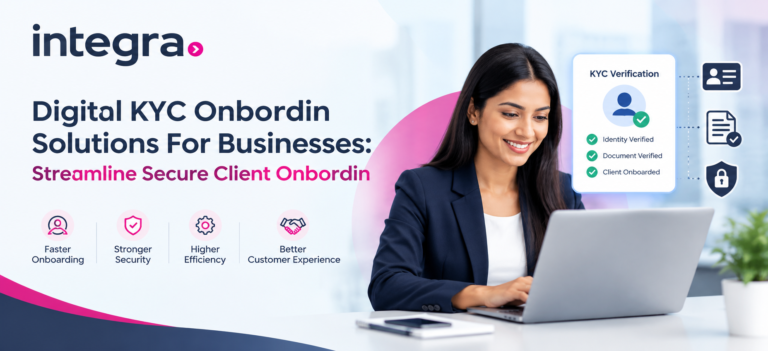
AML activities can involve substantial administration, from collecting customer information to reviewing documentation and maintaining records. A structured outsourced compliance function can help businesses establish consistent processes for onboarding, due diligence, risk assessment and documentation. Technology can also support these activities. Integra’s Onbordin platform is designed to centralise onboarding information, documentation, risk assessments and audit trails through structured digital workflows.
3. Flexible and Scalable Support
Not every organisation needs the same level of AML assistance. Some businesses may need ongoing outsourced compliance support, while others may require help with a specific project, AML health check, policy review or customer due diligence process. A flexible model allows organisations to access support according to their operational requirements rather than maintaining unnecessary internal resources.
4. Stronger Risk Management
A risk-based approach is central to effective AML compliance. Businesses need to understand where their exposure to money laundering, terrorist financing and other financial crime risks may arise. UK HMRC guidance, for example, requires relevant businesses within the Money Laundering Regulations framework to carry out appropriate customer due diligence, risk assessment, internal controls and monitoring. For trust or company service providers, HMRC’s current guidance also highlights the need to assess risks relating to money laundering, terrorist financing and proliferation financing. External AML specialists can help organisations identify relevant risks and develop proportionate controls.
Key Areas Covered by Outsourced AML Compliance
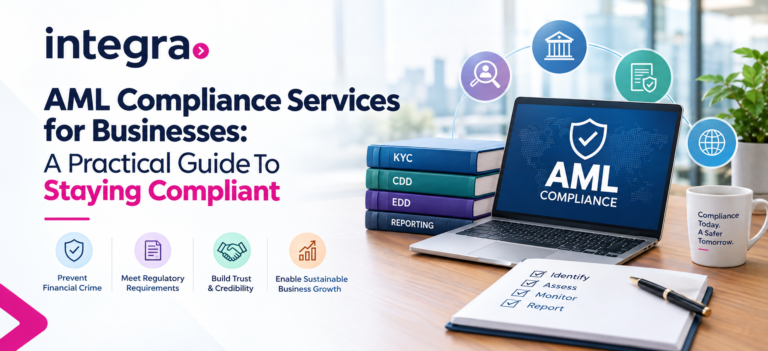
An effective outsourced AML programme should address the key components of an organisation’s compliance framework.
Customer Due Diligence and KYC
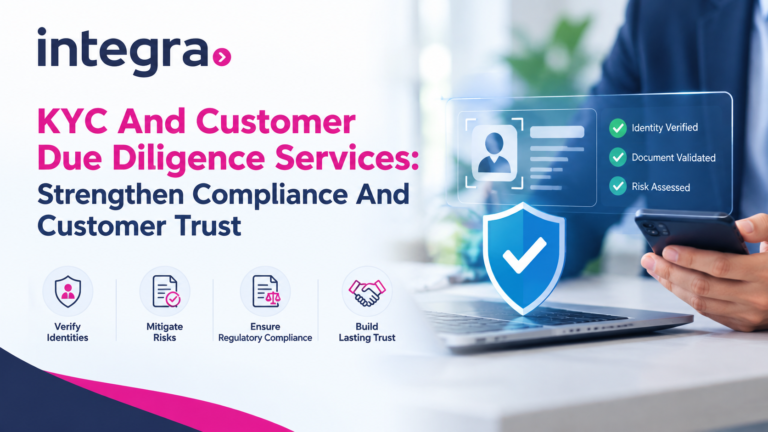
CDD and KYC processes help businesses understand who their customers are and assess the associated risks. Depending on the circumstances, this can involve identity verification, beneficial ownership checks, documentation reviews and ongoing monitoring. Integra provides customer onboarding, KYC/CDD support and enhanced due diligence assistance as part of its AML/CFT services.
PEP And Sanctions Screening
Screening customers and beneficial owners against relevant sanctions and politically exposed person (PEP) information can form an important part of customer risk assessment. Integra supports organisations with AML screening and ongoing due diligence, including PEP and sanctions screening coordination.
AML Business Risk Assessments
A Business Risk Assessment helps an organisation understand its exposure to financial crime risks across areas such as customers, products, services, delivery channels and geographic exposure. The findings can then inform policies, procedures and internal controls.
AML Policies and Procedures
Clear AML policies help translate regulatory requirements into practical processes that employees can follow consistently. An outsourced compliance provider can assist with developing, reviewing and updating AML/CFT policies based on the organisation’s business model and applicable regulatory requirements.
Independent AML Reviews
Regular independent reviews can help organisations identify weaknesses or improvement opportunities within their existing AML framework. Reviews may cover governance, risk assessments, policies, CDD processes, monitoring and overall compliance effectiveness. Integra provides independent AML/CFT reviews as part of its compliance offering.
Who Can Benefit From Outsourced AML Compliance Services?
Outsourced AML support can be particularly useful for organisations that:
- Do not have a dedicated internal AML specialist
- Need additional compliance capacity
- Are establishing a new AML framework
- Are expanding into new markets
- Have complex or cross-border customer relationships
- Need assistance with KYC and CDD processes
- Require an independent AML review
- Need help updating AML policies
- Want ongoing access to compliance expertise
Integra states that it supports a range of regulated professionals and organisations, including corporate service providers, real estate firms, legal professionals and accountants subject to customer due diligence requirements.
Why Choose Integra For Outsourced AML Compliance Services?
Integra Corporate combines corporate, compliance and risk expertise with technology-enabled solutions. Its AML/CFT offering is designed to provide practical support throughout the compliance lifecycle. From initial risk assessment and policy development to customer onboarding, screening, independent reviews and ongoing advisory support, Integra can act as an extension of an organisation’s compliance function. The company also combines professional compliance support with digital onboarding technology through Onbordin, helping organisations create structured and efficient compliance workflows.
Build A More Effective AML Compliance Framework
AML compliance requires ongoing attention, not simply a policy document stored away for regulatory purposes. Businesses need appropriate controls, knowledgeable staff, effective customer due diligence and processes that can adapt as risks and regulatory expectations evolve. Outsourced AML compliance services can provide businesses with access to specialist expertise, practical support and scalable compliance resources while allowing internal teams to remain focused on their core operations.
Whether you need complete outsourced compliance support, assistance with KYC and CDD, an AML risk assessment, policy development, independent review or ongoing advisory guidance, choosing the right compliance partner can help create a more structured approach to managing AML obligations. With its combination of AML/CFT expertise, risk management support and technology-enabled solutions, Integra Corporate provides tailored compliance services designed to help organisations navigate regulatory requirements with greater clarity and confidence. Ready to strengthen your AML compliance framework? Explore Integra Corporate’s compliance solutions or speak with its compliance specialists to discuss your organisation’s requirements.