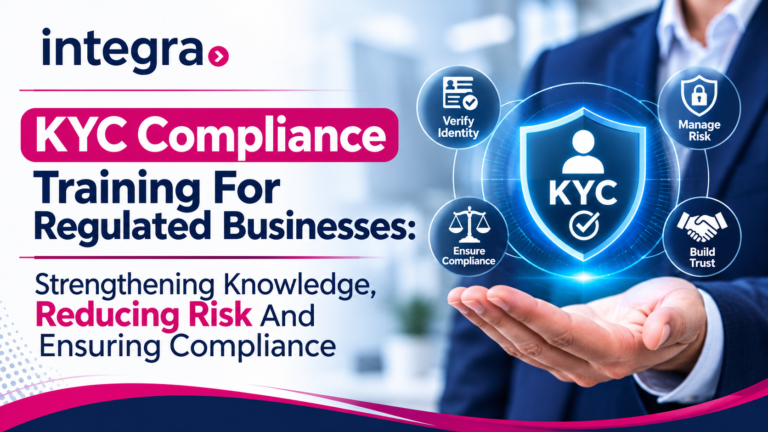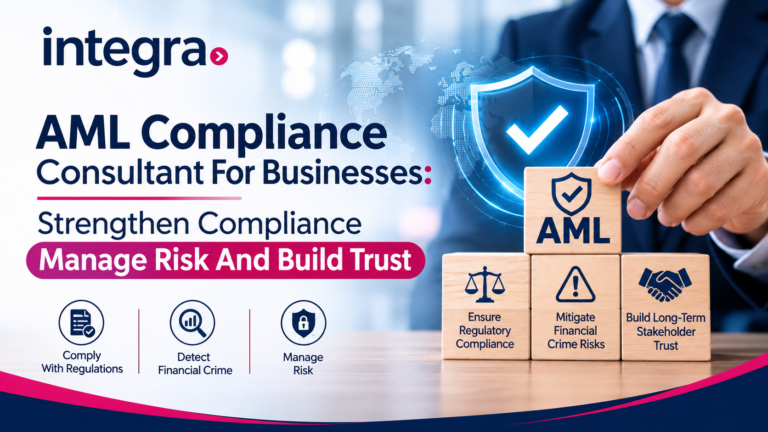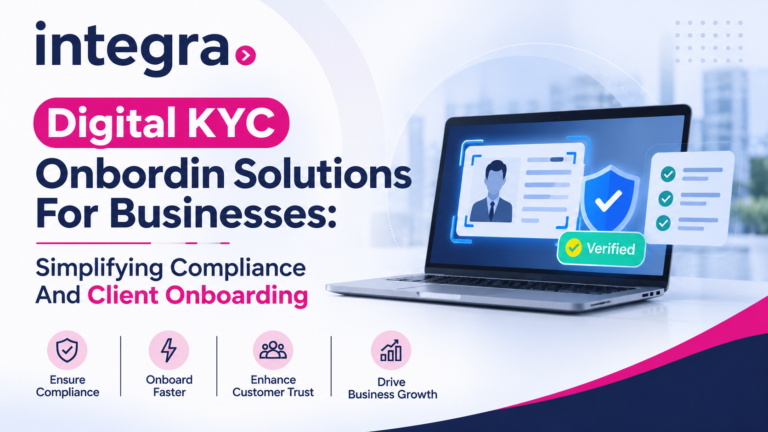
The financial services industry operates in an increasingly complex regulatory environment, where preventing money laundering, terrorist financing and other financial crimes is a critical responsibility. As financial criminals continue to develop sophisticated methods to conceal illicit funds, organisations must ensure their employees have the knowledge and skills to identify, assess and manage potential risks effectively. This is where AML Training For Financial Services Professionals becomes essential. Anti-Money Laundering (AML) training equips employees with practical knowledge of financial crime risks, regulatory obligations, customer verification procedures and effective compliance practices.
For financial institutions, compliance teams, corporate service providers and other regulated businesses, investing in professional AML training is not simply about meeting regulatory expectations. It is about developing a strong compliance culture, protecting business reputation and supporting long-term organisational resilience. Integra Corporate helps organisations strengthen their compliance capabilities through professional AML/CFT services, risk management solutions and accredited AML/KYC training programmes.
Why Is AML Training Important for Financial Services Professionals?
Money laundering presents significant risks to financial institutions and the wider global economy. Criminals may attempt to introduce illegally obtained funds into legitimate financial systems through complex transactions, shell companies, fraudulent documentation and international transfers. Financial services professionals are often the first line of defence against these activities. Employees involved in customer onboarding, account management, transaction processing and compliance monitoring must understand how to recognise suspicious behaviour. Effective AML training helps professionals:
- Understand applicable anti-money laundering laws and regulatory requirements.
- Identify unusual transactions and suspicious customer behaviour.
- Conduct appropriate Customer Due Diligence (CDD).
- Recognise Politically Exposed Persons (PEPs) and sanctions-related risks.
- Understand beneficial ownership and complex corporate structures.
- Apply risk-based approaches to customer monitoring.
- Follow internal escalation and suspicious activity reporting procedures.
Without appropriate training, even well-designed compliance policies may fail during day-to-day operations. Employees need to understand not only what procedures exist, but also when and how to apply them.
Understanding The Key Components Of AML Training
A comprehensive AML training programme should cover the essential principles and practical procedures that support an effective Anti-Money Laundering and Counter-Terrorist Financing (AML/CFT) framework. Here are some important areas that financial services professionals should understand.
1. Understanding Money Laundering And Terrorist Financing Risks
Employees should understand how money laundering works, including its traditional stages: placement, layering and integration. Training should also address terrorist financing, proliferation financing and emerging financial crime methods. Understanding these risks enables professionals to recognise potential warning signs and respond appropriately.
2. Know Your Customer (KYC) And Customer Due Diligence (CDD)
KYC and CDD procedures are fundamental elements of AML compliance. Professionals must know how to verify customer identities, understand the purpose of business relationships and assess the risks associated with individual and corporate clients. Training should include beneficial ownership identification, source of funds assessments and Enhanced Due Diligence (EDD) requirements for higher-risk customers.
3. Sanctions And Politically Exposed Persons (PEPs)
Financial institutions must understand the importance of screening customers and relevant associated parties against applicable sanctions lists and PEP databases. AML training helps employees recognise potential matches, understand screening results and follow appropriate escalation procedures.
4. Suspicious Activity Identification And Reporting
Recognising unusual activity is only one part of the compliance process. Employees must also understand internal reporting channels, escalation responsibilities, confidentiality requirements and applicable suspicious transaction reporting obligations. Practical training can help employees respond confidently when they encounter potentially suspicious transactions or customer behaviour.
5. Risk-Based Compliance Approaches
Not every customer or transaction presents the same level of risk. Financial services professionals should understand how to apply proportionate controls based on customer profiles, geographical exposure, products, services and transaction patterns. A risk-based approach allows organisations to allocate compliance resources more effectively while maintaining appropriate oversight.
Who Needs AML Training In The Financial Services Industry?
AML training is relevant to a wide range of professionals working in regulated and high-risk sectors. Although responsibilities differ between roles, everyone involved in customer relationships, financial transactions or compliance oversight should understand their role in preventing financial crime. Key audiences include:
- Banking professionals: Employees responsible for account opening, customer verification and transaction monitoring.
- Compliance officers and MLROs: Professionals overseeing AML policies, regulatory reporting and compliance monitoring.
- Investment and wealth management professionals: Employees dealing with investment portfolios, high-net-worth individuals and complex financial arrangements.
- Accountants and auditors: Professionals who may encounter suspicious financial activities or unusual business structures.
- Corporate service providers: Individuals managing company formation, administration and beneficial ownership verification.
- Senior management and board members: Decision-makers responsible for governance, oversight and maintaining an effective compliance framework.
Training should be appropriate to employees’ responsibilities, experience and exposure to financial crime risks. Senior compliance personnel may require more specialised learning than employees with limited customer-facing responsibilities.
How Regular AML Training Strengthens Regulatory Compliance
Regulatory compliance is an ongoing responsibility. Financial crime threats evolve, customer behaviour changes and regulatory expectations develop over time. Regular AML training helps organisations maintain awareness and ensure employees remain familiar with relevant compliance procedures. In the UK, the Money Laundering Regulations 2017 establish training-related expectations for relevant supervised businesses. HMRC guidance also emphasises that employees and agents should understand relevant legislation, risks and the organisation’s policies, controls and procedures. Requirements in other jurisdictions may differ, so organisations should ensure their training reflects the regulations applicable to their operations.
Ongoing training can help organisations achieve several important objectives:
Improved risk awareness: Employees become better equipped to recognise suspicious activities and potential financial crime indicators.
Stronger internal controls: Staff understand how to follow established policies and procedures consistently.
Better regulatory preparedness: Organisations can demonstrate their commitment to employee awareness and professional development.
Reduced operational exposure: Appropriate knowledge can help prevent avoidable compliance failures and weaknesses in customer due diligence.
A stronger compliance culture: Employees understand that preventing financial crime is a shared organisational responsibility rather than the responsibility of the compliance department alone.
Choosing The Right AML Training Programme
Selecting an appropriate AML training programme is essential for achieving meaningful results. Organisations should look beyond basic regulatory definitions and prioritise training that develops practical workplace knowledge. Consider the following factors when evaluating a training provider:
- Relevant course content: Ensure the programme covers AML/CFT principles, KYC, CDD, sanctions, PEPs and risk assessments.
- Industry relevance: Training should reflect the risks and responsibilities associated with the participants’ professional roles.
- Accreditation: Consider recognised professional development accreditation, such as Continuing Professional Development (CPD).
- Flexible learning: Online and self-paced courses can make training accessible to employees across different locations and working schedules.
- Practical application: Choose programmes that help learners apply compliance principles to real-world business situations.
- Ongoing development: Training should be refreshed periodically to reflect changing risks, regulatory developments and organisational requirements.
An effective training strategy should also include appropriate induction training for new employees and refresher learning for existing team members.
How Integra Corporate Supports AML Training And Compliance
At Integra Corporate, we understand that effective compliance requires more than policies and procedures. It depends on knowledgeable professionals, strong governance and practical risk management. Our integrated approach combines corporate services, AML/CFT compliance, risk management and professional training to help organisations navigate regulatory responsibilities with confidence. Through our strategic partnership with KYC Lookup, Integra provides access to CPD-accredited AML/KYC online training programmes designed to strengthen professional knowledge and support organisational compliance. Our training solutions include:
- Self-paced online AML/KYC courses.
- AML/CFT compliance education.
- Customer Due Diligence and KYC training.
- Risk assessment and beneficial ownership learning.
- Sanctions and PEP awareness.
- Professional development for individuals and corporate teams.
- In-person AML compliance training, including group training options.
Our courses are designed to support professionals across regulated industries, business owners, reporting officers, board members and other individuals with compliance responsibilities. In addition to training, Integra offers a broader range of compliance solutions, including AML/CFT policy documentation, business risk assessments, screening support, independent AML reviews and compliance advisory services. This integrated approach enables organisations to strengthen employee knowledge while improving the wider compliance framework.
The Long-Term Value Of Investing In AML Professional Development
AML training should be viewed as a long-term investment in organisational resilience rather than a one-time compliance exercise. Financial institutions that prioritise employee education are better positioned to identify potential threats, maintain consistent customer due diligence standards and respond to evolving regulatory expectations. A knowledgeable workforce also supports better decision-making, strengthens stakeholder confidence and contributes to a more transparent financial services environment. By combining professional training with effective compliance monitoring, appropriate internal controls and regular risk assessments, organisations can develop a more sustainable approach to financial crime prevention.
Strengthen Your AML Knowledge With Integra Corporate
As financial crime risks continue to evolve, AML Training For Financial Services Professionals remains an essential component of effective regulatory compliance and risk management. From understanding customer due diligence requirements to recognising suspicious transactions and managing sanctions-related risks, appropriate training empowers professionals to fulfil their responsibilities with greater confidence. Integra Corporate supports organisations and professionals through accredited AML/KYC training, practical compliance advisory and integrated risk management solutions. Whether you are looking to strengthen your team’s compliance knowledge, improve internal procedures or develop a more effective AML/CFT framework, Integra can help you take the next step.